ENGLISH: (214) 901-3251
ENGLISH OR SPANISH: (972) 533-0340 / (469) 790-8047
ENGLISH: (214) 901-3251
ENGLISH OR SPANISH: (972) 533-0340 / (469) 790-8047
ENGLISH: (214) 901-3251
ENGLISH OR SPANISH: (972) 533-0340 / (469) 790-8047
ENGLISH: (214) 901-3251
ENGLISH OR SPANISH: (972) 533-0340 / (469) 790-8047
A telehandler rented for six months out of the year at Texas rates often costs more than half of what a solid used machine would sell for outright. That single comparison is usually enough to make a contractor stop and reconsider, but most keep renting anyway simply because no one has run the actual numbers against their own job schedule. The math isn't the same for every business, and it shouldn't be treated as a generic rule of thumb.
Part of the reason so many contractors stay in a renting pattern longer than makes financial sense comes down to how the costs are spread out. A single rental invoice rarely feels expensive on its own. It's only when a full year of invoices gets added together, alongside the schedule delays that come with relying on a rental yard's availability, that the real cost becomes clear.
Here's how to run that comparison against your own operation, covering rental costs, financing, and what a used telehandler typically costs, so the decision to buy or keep renting comes down to numbers rather than guesswork.
Three patterns tend to show up once renting has crossed the line into costing more than it saves. Rental invoices climb steadily instead of staying flat. Jobs get scheduled around whether a machine is available rather than around your own timeline. And the total spent on rentals over a year starts closing in on what a used machine would cost to own outright. Any one of these alone might not mean much. Together, they're a clear signal to run the break-even math.
Telehandler rental rates in Texas typically run $1,800 to $3,200 per month depending on lift capacity and reach, with telehandler hire costs climbing higher during peak construction seasons when demand outpaces available inventory. That base rate rarely covers the full picture. Delivery, pickup, damage waivers, and fuel surcharges usually add another 15 to 20 percent on top, meaning a machine quoted at $2,500 a month can easily run closer to $3,000 once every fee lands on the invoice.
Rental terms also tend to work against contractors who need a machine for slightly longer than expected. Extending a rental past the original agreement often triggers a higher daily or weekly rate than the standard monthly pricing, which can quietly push the total cost of a single job well past what was budgeted at the outset.
A used telehandler for sale in good working condition typically runs $40,000 to $65,000 depending on lift height, capacity, and hours. Divide that figure by your all-in monthly rental cost, and you'll get a rough number of months before renting has cost as much as buying would have. For contractors renting six or more months out of the year, that threshold arrives faster than most expect, often within the second or third year of steady use.
Financing changes the calculation considerably. A used telehandler financed over 36 to 60 months often carries a monthly payment lower than what many contractors already pay in rental fees, while building equity in a machine instead of renting one job at a time. Interest rates and terms vary based on credit history and down payment, but a solid used machine typically qualifies for more favorable financing than a brand-new unit, since the lower purchase price reduces the total amount financed.
Before assuming ownership is out of reach, it's worth weighing the pros and cons of renting vs buying equipment with actual financing terms factored in rather than comparing sticker prices alone.
Ownership makes the most sense for contractors with a steady, predictable need for lift equipment across multiple projects. If your work is seasonal or occasional, continuing to rent may still be the smarter move, and that's a fair answer rather than a sales pitch. But for crews running telehandlers on most active job sites, a machine sitting idle for a few weeks between projects still costs less than paying rental rates every time a new job starts.
Take stock of how many months out of the last year you had a telehandler rented, even if it wasn't the same unit each time. If that number sits at six months or more, ownership is very likely already the cheaper option, even before factoring in the scheduling flexibility that comes with having your own machine on hand.
Understanding the real cost of owning vs. operating used equipment helps clarify where that break-even point sits for your specific workload.
Once ownership makes sense on paper, condition matters as much as price. Check tire wear, boom function through its full range of motion, hydraulic response, and hour meter readings against available service records. A machine with higher hours but documented maintenance is often a safer buy than a low-hour unit with no history behind it. It's also worth thinking through how long you actually need the equipment for on a typical project, since that shapes which lift capacity and reach make the most sense to buy.
Used telehandler pricing varies by capacity and reach, but here's a general range for machines in solid working condition:
These figures shift based on brand, hour count, and attachment availability, so comparing actual listings gives a clearer number than relying on averages alone.
Beyond the base rental rate, repeat renters often absorb costs that don't show up on a single invoice: delivery and pickup charges on every rental period, insurance add-ons, downtime waiting on the next available unit during busy seasons, and the schedule disruption of coordinating rental timing around active job sites. None of these appear as a lump sum, but across a full year of renting, they add up to a meaningful percentage of total spend.
There's also a less obvious cost in operator familiarity. Crews who rent a different unit for each job spend time relearning controls and quirks specific to that machine, while crews running the same owned telehandler day after day work more efficiently simply because they know it well.
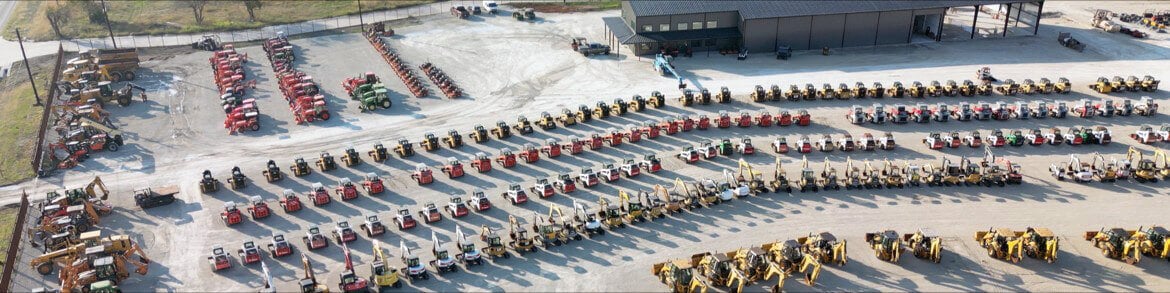
If the numbers point toward buying, working with a dealer who owns machines outright rather than brokering listings makes the process more straightforward. Himes Equipment carries used telehandlers for sale across a range of lift capacities, all inspected and owned on our 21-acre lot in Van Alstyne, with financing available for qualified buyers.
Ready to compare options? See what's currently available or talk to our team about financing options to find out whether buying makes sense for your job pipeline.