ENGLISH: (214) 901-3251
ENGLISH OR SPANISH: (972) 533-0340 / (469) 790-8047
ENGLISH: (214) 901-3251
ENGLISH OR SPANISH: (972) 533-0340 / (469) 790-8047
ENGLISH: (214) 901-3251
ENGLISH OR SPANISH: (972) 533-0340 / (469) 790-8047
ENGLISH: (214) 901-3251
ENGLISH OR SPANISH: (972) 533-0340 / (469) 790-8047
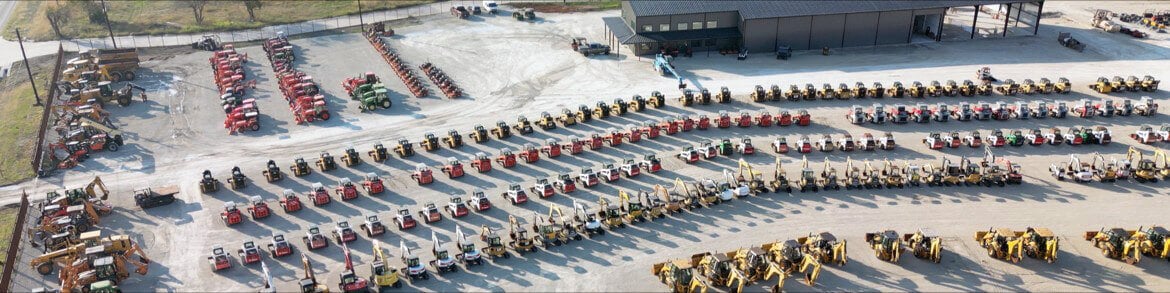
A few years ago, the prices of heavy equipment were inflated beyond what most buyers thought was sustainable. Supply chain disruptions drove new equipment lead times out by months, and buyers competed hard for anything available in the secondary market. Prices reflected that pressure. Today, the market has shifted. For buyers who have been sitting on the sidelines waiting for a better entry point, 2026 is worth paying attention to.
The heavy equipment market is in a correction. That's not a warning sign. It's a normal cycle, and for buyers it represents an opportunity. According to Sandhills Global's January 2026 market report, published by Construction Equipment magazine, used heavy-duty construction equipment inventory fell over 13 percent year over year, marking the seventh consecutive monthly decline. At the same time, asking values dipped year over year across most categories, reflecting continued price softening in the used construction equipment market.
What that means practically: used construction equipment for sale is becoming more competitively priced as the post-pandemic premium works its way out of the market. Buyers with capital ready to deploy are in a better position today than they were 18 months ago. The window won't stay open indefinitely.
Both channels have their place in 2026, and the right answer depends on how much risk you're willing to carry. Auction prices for used heavy equipment tend to run lower than dealer asking prices because machines are sold without guarantees or documented service support.
According to a 2025 machinery auction recap published by Makana, prices at heavy machinery auctions are driven primarily by hours, condition, and inspection transparency rather than brand reputation alone.
The tradeoff is that auction buyers are largely on their own when it comes to condition assessment. A used backhoe or used wheel loader bought at auction without a pre-purchase inspection carries real risk, and surprises after the sale are your problem. A reputable used equipment dealer provides documented condition, verified titles, and firsthand knowledge of the machine's history. For guidance on what to look for when evaluating any used equipment listing, see our post on buying used heavy equipment.
Tariffs on imported steel and components have pushed new equipment prices higher in 2026, which directly affects the used market. When new construction equipment prices rise, buyers who can't absorb that premium shift toward used alternatives, which supports used heavy equipment prices and tightens available inventory. The net effect is that used equipment tends to hold its value better in a high-tariff environment.
Interest rates remain elevated relative to historic lows, and that affects your monthly payment on any financed purchase. On a $60,000 machine financed over 60 months, a one-point difference in rate changes your payment by roughly $30 per month and your total interest cost by over $1,700. Getting pre-approved and comparing lender terms before you commit matters more in this rate environment than it did two years ago. For current financing options, visit our page on financing used heavy equipment in Texas.
When a dealer has held a machine longer than expected, carrying costs build. A used wheel loader or used backhoe that's been on a lot for 90 days or more is costing the dealer money every week, and that's when asking prices start to move. Sandhills Global's February 2026 Machinery Trader report noted that used crawler dozer and wheel loader auction values rose 2.0 percent month over month, while overall inventory continued declining across most categories. That combination, rising auction values alongside tightening supply, tells you that well-priced dealer inventory is moving.
The way to find opportunity is straightforward. Ask directly how long a unit has been in inventory. Cross-reference the asking price against recent auction results for comparable machines on platforms like MachineryTrader.com or AuctionValues.com. If the dealer's price is already near or below recent auction comps, you're looking at a unit they're motivated to move. Heavy equipment dealers who are transparent about inventory age and willing to discuss pricing openly are worth working with.
The choice between a late-model machine with moderate hours and a higher-hour unit at a lower price comes down to what you're actually buying in each case. A 4-year-old used excavator for sale with 4,000 hours and a clean service history represents a different risk profile than a 10-year-old machine with 8,000 hours, even if both run well on the day you inspect them.
The late-model machine carries more resale value and typically sits closer to full compatibility with current attachments and precision technology. The high-hour unit costs less upfront but narrows your ownership window and may require significant maintenance investment sooner. The calculation depends on your planned ownership period, your internal maintenance capability, and what each machine will realistically cost you over the next three to five years. For guidance on reading what listings should tell you, see our post on heavy equipment listings and how to evaluate them.
Heavy equipment rental prices have increased alongside general market inflation, and the case for renting rather than owning has weakened for operators who use equipment regularly. If you're running a machine more than 400 to 500 hours per year, the economics of ownership typically outperform rental at current rates, especially on a used purchase in a softening market.
Waiting for further price softening is a reasonable position if you have low urgency. But the data doesn't point to a dramatic further decline. Sandhills Global's industry analysts noted in their early 2026 reporting that equipment prices are likely to remain reasonably stable as supply chains continue to improve, with auction markets staying active as contractors rotate fleets. Buyers waiting for a market bottom may find themselves competing in a tighter inventory environment by late 2026.
Machines equipped with telematics, GPS integration, and documented digital service records are commanding better resale outcomes in the current market. A 2026 heavy equipment market trends report published by MachineryList noted that buyers in 2026 are demanding data-backed proof of a machine's health, including telematics readouts on idle versus working time and a history of fault codes and fuel efficiency metrics.
When you're evaluating used construction equipment for sale, treat the availability of telematics data as a condition indicator, not just a technology feature. A machine with a clean digital service record and consistent utilization data is easier to price, easier to sell, and more defensible in a negotiation. Texas weather and operating conditions add another layer of wear consideration. For guidance on protecting your equipment investment after purchase, see our post on heavy equipment protection tips.
Used heavy equipment prices have softened, but maintenance costs have not. Labor rates at equipment shops are up, and parts prices on certain components have increased alongside tariff pressures on imported parts. A machine that looks like a good deal at asking price can deliver a different result once you factor in the service work it needs in the first year of ownership.
The standard planning benchmark of 8 to 12 percent of current market value per year for maintenance still applies, but budget closer to the top of that range on any machine over 6,000 hours or showing deferred service at inspection. Budget at the lower end for late-model machines with clean records. Use that estimate to evaluate total cost of ownership, not just sticker price, before you make an offer.
The 2026 used heavy equipment market rewards buyers who show up prepared. The data is available, the inventory is moving, and the pricing correction has created real opportunity for operators and fleet managers who are ready to act. Request a quote from Himes Equipment and our team will help you find the right machine at the right price.