ENGLISH: (214) 901-3251
ENGLISH OR SPANISH: (972) 533-0340 / (469) 790-8047
ENGLISH: (214) 901-3251
ENGLISH OR SPANISH: (972) 533-0340 / (469) 790-8047
ENGLISH: (214) 901-3251
ENGLISH OR SPANISH: (972) 533-0340 / (469) 790-8047
ENGLISH: (214) 901-3251
ENGLISH OR SPANISH: (972) 533-0340 / (469) 790-8047
Horsepower is the first number most buyers ask about when shopping for a farm tractor. It's also the number most commonly misused to justify buying more machine than the job actually requires. Walk onto almost any equipment lot in Texas and you'll find buyers stretching budgets for tractor HP they'll use twice a year at most. The goal here is to help you skip that mistake in either direction, because underpowered is just as costly as overpowered.
Most buyers treat farm tractor horsepower like a simple ranking system. More HP equals a better tractor. That's not how it works in practice. A higher-horsepower machine costs more to purchase, more to fuel, and more to maintain. If the extra power never gets used, you're paying for weight and overhead that doesn't contribute to your operation.
The more useful question isn't how much horsepower a tractor has. It's how much tractor horsepower your implements and acreage actually demand. Those two numbers need to match. How To Choose The Right Used Tractor For Your Farm is worth reading alongside this post if you're still early in the decision.
Acreage is the most practical starting point in any tractor HP conversation. Here's a rough framework for Texas property owners:
These are starting points, not hard rules. What you're doing on those acres matters just as much as how many there are.
Two farm owners with the same acreage can need very different machines depending on how they use the land. A 40-acre property used for horse boarding and pasture maintenance has different demands than a 40-acre row crop operation.
Think about your most frequent and most demanding tasks. Light mowing, feeding, and general property maintenance sit toward the lower end of the tractor horsepower scale. Hay production, soil preparation, heavy brush management, and consistent loader work push toward mid and upper ranges. A farm tractor that handles your two or three most common tasks without straining is a better investment than one sized for the occasional heavy job. For ideas on what attachments justify which HP ranges, tractor attachments that pay for themselves is a practical reference.
| HP Range | Best For | Common Implements |
|---|---|---|
| 20-30 HP | Small lots, gardens, light chores | Finish mower, box blade, small loader |
| 35-50 HP | Small farms, horse properties, hay | Rotary cutter, tiller, mid-size loader |
| 50-75 HP | Working farms, regular hay production | Round baler, disc harrow, larger loader |
| 75-100 HP | High-acreage farms, heavier tillage | Large baler, planter, heavy loader work |
| 100+ HP | Production agriculture, major operations | Row crop equipment, large-scale tillage |
A 50 hp tractor lands in the most versatile range for Texas farm owners who are running a real operation without scaling into full production agriculture. A 25 hp tractor works well for property maintenance and smaller acreage. A 40 hp tractor bridges the gap for mid-size operations that need more than a sub-compact but don't need the overhead of a larger machine.
This is where buyers who skip the research get into trouble. Implements have HP requirements, and if your farm tractor can't meet them, you either damage equipment or the work doesn't get done efficiently.
A three-bottom plow, a large round baler, or a heavy-duty tiller all have minimum tractor HP requirements. Running those implements on an underpowered machine strains the engine, stresses the drivetrain, and burns through components faster than normal use would. Before you settle on a HP range, make a list of the implements you plan to run and check their minimum requirements. Your tractor should meet or exceed the highest demand on that list with some margin to spare. If you're not sure which models in your target HP range hold up best in Texas conditions, top tractor models trusted by Texas farmers covers the makes that have the strongest track record here.
It does, more than most buyers account for. Flat, sandy East Texas soil is far less demanding on a tractor than the rocky, root-laden terrain of the Hill Country or the heavy clay soils common in parts of Central and North Texas. Caliche hardpan in South and West Texas puts real stress on tillage equipment and the tractors pulling it.
If your property has significant grade changes, dense native brush, or compacted or rocky soil, add a buffer to whatever HP range your acreage and task list suggests. A farm tractor that handles flat, prepared ground at 50 HP might need 60 to 65 HP to do the same work effectively on difficult Texas terrain. Underbuying HP on tough ground is one of the most common reasons operators end up replacing a tractor sooner than expected 7 Signs You're Ready To Upgrade Your Farm Tractor is worth bookmarking if you're already feeling like your current machine isn't keeping up.
This is the spec most buyers overlook, and it matters more than almost anything else when it comes to implement compatibility. Engine HP is the total power the engine produces. PTO HP is the power delivered at the power take-off shaft, which is what actually drives implements like mowers, balers, and tillers.
PTO HP is always lower than engine HP, typically by 15 to 20 percent. A tractor advertised at 60 engine HP might deliver 48 to 50 HP at the PTO. When implement manufacturers list minimum HP requirements, they usually mean PTO HP. Buying a tractor based on engine rating alone and not checking PTO output is a common source of underpowered setups. Always ask for both numbers before you commit to a machine. How To Spot Quality In Used Equipment covers the full inspection process if you're buying used, which most Texas farm owners should be.
For the majority of Texas farm owners working 25 to 100 acres with a standard mix of mowing, feeding, light tillage, and hay work, a 50 hp tractor for sale in good condition hits the practical sweet spot. It's enough machine to run most common implements without the overhead of a larger tractor. A 40 hp tractor covers smaller operations well. Step up to 75 HP or above when sustained production work is part of your regular schedule.
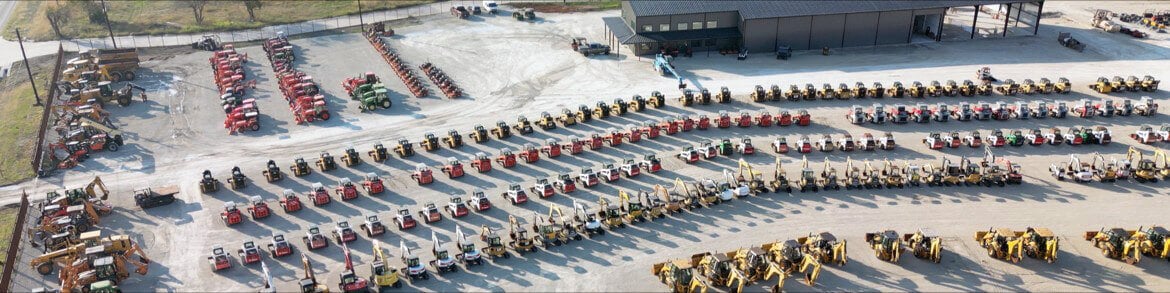
If you're searching for farm tractors for sale near me in North Texas, the used inventory at Himes Equipment covers a range of horsepower classes with verified hours and honest condition descriptions. For buyers looking at farm tractors for sale across multiple HP ranges before deciding, browsing used tractors for sale at Himes Equipment is a practical way to see what's available and how machines in each category are priced. If financing is part of the plan, financing used heavy equipment in Texas covers what most Texas buyers need to know before signing. Everything Himes sells is owned outright. No consignment, no brokers.