ENGLISH: (214) 901-3251
ENGLISH OR SPANISH: (972) 533-0340 / (469) 790-8047
ENGLISH: (214) 901-3251
ENGLISH OR SPANISH: (972) 533-0340 / (469) 790-8047
ENGLISH: (214) 901-3251
ENGLISH OR SPANISH: (972) 533-0340 / (469) 790-8047
ENGLISH: (214) 901-3251
ENGLISH OR SPANISH: (972) 533-0340 / (469) 790-8047
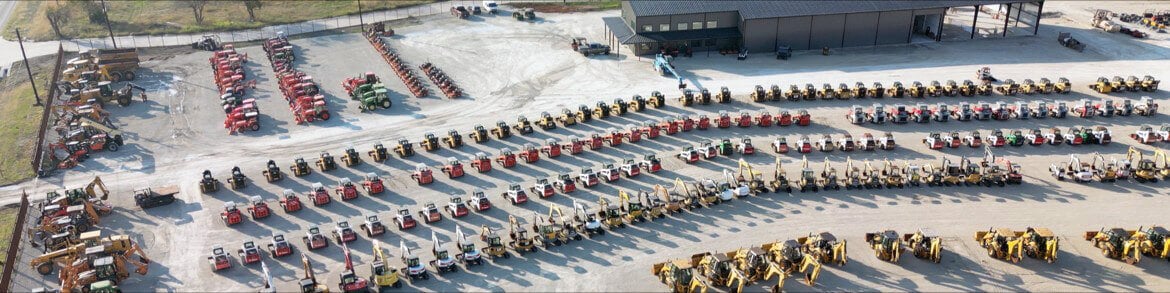
Buying your first piece of heavy equipment is not like buying a truck or a trailer. The price points are higher, the terminology is different, and a bad decision can set your operation back by a season or more. These are the heavy equipment questions we hear most often from first-time buyers, answered as plainly as we can.
Usually, yes. New equipment loses a significant portion of its value in the first few years. By the time a machine hits the used market with a few years and a few thousand hours on it, the original owner has absorbed that depreciation hit. You get most of the capability at a much lower cost.
That said, buying used heavy equipment requires more homework than buying new. You're evaluating a specific machine, not a factory spec sheet. The condition of that particular unit matters more than the brand name on the side.
The most important thing a used equipment dealer can offer is straightforward information. Who owned the machine before? How was it used? What does the service history show? A dealer who owned the machine outright, can answer those questions specifically, and puts that information in front of you without being asked is worth paying attention to.
Dealers who work on consignment or act as middlemen often can't give you that level of detail because they don't actually know. That gap in information is a real risk when you're buying used construction equipment for the first time. For a list of what to watch out for, see our post on mistakes to avoid when buying used equipment.
You don't have to be a mechanic to catch the most obvious problems. This equipment inspection checklist covers the basics.
Check the fluids first. Engine oil with a milky or foamy appearance usually means coolant is getting in, which points to a head gasket or worse. Hydraulic fluid that smells burnt or looks very dark is a sign of overheating or neglect. Coolant with an oily film on top is another red flag.
On track machines, look at the undercarriage closely. Worn sprockets, loose tracks, and damaged rollers are expensive to replace and easy to see once you know what you're looking at. On wheeled machines, check the tires for sidewall damage and uneven wear.
If at all possible, run the machine. Listen to the engine at startup, watch the exhaust, and cycle through the hydraulic functions under load. A machine that runs smoothly through its full range of motion is a fundamentally safer buy than one you only saw sitting still.
Fifty years ago, better seed and better timing were the main levers a farmer had. Today, precision agriculture technology adds a third one: better data. GPS-guided steering reduces overlap and operator fatigue on every field pass. Variable rate application cuts input costs. Telematics systems track machine performance and flag maintenance needs before they become breakdowns.
For first-time buyers evaluating used heavy equipment, the practical question is whether the machine you're looking at can support the precision ag systems you'll want down the road. A tractor that can't integrate with current GPS platforms may limit your options earlier than you expect. It's not a reason to overspend on a first machine, but it's worth factoring in when two machines are otherwise comparable.
Most used construction equipment and used heavy equipment sold through dealers or private sellers comes without a manufacturer warranty. Manufacturer coverage is usually tied to the original buyer and doesn't transfer.
Some dealers offer limited in-house warranties or can connect you with third-party options. Read the terms carefully before you put much weight on them. A warranty that excludes the engine, transmission, and hydraulics is not providing much real protection. A thorough pre-purchase inspection and honest documentation of condition at the time of sale is more valuable than most warranty language you'll encounter in the used market.
Getting pre-approved before you start shopping is the most practical step you can take. It sets a real budget, speeds up the transaction when you find the right machine, and gives you better footing in a negotiation.
Interest rates matter more than many first-time buyers realize. On a $40,000 machine financed over five years, a two or three point difference in rate adds up to thousands of dollars over the life of the loan. Compare terms before you commit. When you're ready to look at options, you can buy heavy equipment through Himes Equipment and ask our team about financing directly. Approvals through our lending partners typically come back within one to two business days.
Maintenance is scheduled and predictable. Repair is not. The goal when buying used equipment is to understand which one you're primarily signing up for. A machine with a documented service history and no obvious deferred work is a different risk profile than one with gaps in its records and worn components.
A reasonable planning benchmark is 8 to 12 percent of the machine's current market value per year for maintenance on used heavy equipment. On a $40,000 machine, that's roughly $3,200 to $4,800 annually. If the machine's condition at inspection suggests you'll be at the top of that range or higher from the start, use that as grounds to negotiate the price down or look at other options.
Ask whether records are available and what they show. Were oil and filter changes done on a consistent schedule? Has the machine had any major repairs, and if so, what was replaced and when? Was it owned by one operator or part of a larger fleet? Fleet machines and rental equipment tend to see harder use than owner-operated machines, even when the hours look similar.
Good condition documentation answers these questions before you have to ask. A walk-around video that shows the machine running, cycling through its functions, and displaying no visible leaks or irregular sounds tells you more than a static photo ever will. For more on what to expect from honest condition reporting, see our post on why video walkarounds matter when buying heavy equipment online.
Prices on used construction equipment and used farm machinery tend to soften in late fall and early winter when seasonal demand drops. That's generally the best window to find more inventory and more negotiating room. For a more detailed look at how seasonal timing affects pricing in this market, see our post on the best time to buy used farm equipment in Texas.
When the machine checks out and the numbers make sense, move. The buyers who consistently get the best deals on used heavy equipment are prepared, ask direct questions, and don't let a good machine sit while they overthink it.
Request a quote from Himes Equipment and our team will help you find the right machine for your operation and budget.