ENGLISH: (214) 901-3251
ENGLISH OR SPANISH: (972) 533-0340 / (469) 790-8047
ENGLISH: (214) 901-3251
ENGLISH OR SPANISH: (972) 533-0340 / (469) 790-8047
ENGLISH: (214) 901-3251
ENGLISH OR SPANISH: (972) 533-0340 / (469) 790-8047
ENGLISH: (214) 901-3251
ENGLISH OR SPANISH: (972) 533-0340 / (469) 790-8047
When you're gearing up for a new project, one of the first questions that comes up is: should I buy or rent construction equipment? It’s a fair question. The right decision can save your business time, money, and stress. The wrong one can eat into your profits fast.
At Himes Equipment, we know both sides. We sell used construction equipment and offer flexible rentals. So if you’re weighing the pros and cons of buying vs renting equipment, you’re in the right place. This guide breaks it down so you can make the smartest move for your job, your timeline, and your budget.
Deciding whether to rent or buy depends on how often you plan to use the machine and what kind of work you’re doing. If you're thinking, "should I buy or rent construction equipment," start by asking how long you’ll need it and how often you'll use it.
Buying used equipment means you own it outright,
which gives you full control and long-term savings. Renting, on the other hand, keeps you flexible. When to rent vs buy construction equipment really comes down to how that machine fits into your daily operations.
One of the most overlooked factors in the buy vs rent construction equipment decision is utilization. Equipment utilization rate explained simply means how often a machine is actually working versus sitting idle. If a piece of equipment is used daily or across multiple projects, ownership often delivers stronger value. If usage is occasional, renting may make more sense. Understanding utilization helps contractors perform a clearer construction equipment ROI analysis and decide when to rent vs buy equipment with confidence.
Looking only at rental rates or purchase price can be misleading. Construction equipment total cost of ownership includes maintenance, storage, insurance, and depreciation. Equipment ownership vs rental costs often diverge over time, especially for frequently used machines. A true construction equipment cost comparison weighs lifetime expenses against rental fees that reset with every project, helping businesses identify the most cost-effective option.
Buying used construction equipment has real advantages:
But there are also a few challenges:
At Himes Equipment, we help reduce that risk. We own every machine we sell, price them fairly, and guarantee they’re free of liens or loans. If you’re considering buying used construction equipment, the pros and cons are a lot easier to manage when you’re working with a seller you can trust.
From a strategic perspective, buying used often makes sense when a machine is core to daily operations. In many construction equipment rent vs buy cost scenarios, ownership becomes more economical once utilization passes a certain threshold. Evaluating buy vs rent construction equipment decisions through long-term use rather than short-term pricing helps contractors avoid repeat rental expenses.
Renting equipment for short-term projects is often the smartest choice. If you only need a machine for a week or two, or if you’re testing a new job type, renting makes sense.
It’s also a good option when you don’t want to tie up capital or deal with long-term storage and maintenance. The advantages of renting construction equipment show up in your flexibility and cash flow.
If you're still asking when to rent vs buy construction equipment, think about how often you'll use the machine. If it's less than 60 percent of the time, renting may be your better bet.
Maintenance is a major factor in the cost comparison rent vs buy equipment. When you own the machine, the upkeep is your responsibility. That includes regular service, part replacements, and unexpected repairs.
When you rent, the equipment usually comes well-maintained. You return it when you're done and avoid those long-term costs. At Himes Equipment, our rental machines are kept in ready-to-work condition, so you can stay productive without surprise expenses.
Construction equipment cash flow planning plays a major role in choosing between ownership and rentals. Buying requires upfront investment but can reduce long-term expenses. Renting preserves capital but creates ongoing costs. A thoughtful equipment purchase budget strategy helps businesses balance immediate needs with future growth while deciding whether buy vs rent construction equipment aligns better with their financial reality.
Many contractors underestimate the hidden costs of renting equipment, such as transport fees, fuel policies, or downtime during peak demand. On the ownership side, construction equipment maintenance responsibility includes storage, insurance, and compliance costs. Understanding equipment ownership hidden expenses on both sides allows for more accurate budgeting and fewer surprises.
Yes—especially if you’re just getting started or running a small team. The advantages of renting construction equipment include fewer commitments, more mobility, and lower upfront investment. You can take on new jobs without buying new machines every time.
Renting is also great when you need multiple types of equipment for a short period. If you're still wondering, “should I buy or rent construction equipment,” and you're a small contractor, the flexibility of renting may work in your favor.
When comparing the return on investment, it helps to look at how often you’ll use the machine. If it’s something you’ll run every day, owning can save you money long-term. If it's occasional use, renting helps you avoid idle time and maintenance costs.
The cost comparison rent vs buy equipment depends on how much work the machine will do. For high-use items like skid steers or excavators, buying used might offer more value. But for seasonal or short-term needs, rentals keep your overhead low.
The shorter the project, the better renting looks. If you need a machine for just a few weeks or a single job, renting equipment for short-term projects can help you stay on budget without sacrificing quality.
But if you’re running longer jobs or using the same machine frequently, owning starts to make more sense. Buying used construction equipment gives you long-term access without paying for downtime.
When to rent vs buy construction equipment depends on your timeline, your workload, and how much you want to invest up front.
When projects extend over months or repeat throughout the year, used equipment buying vs renting often favors ownership. Long term equipment ownership benefits include predictable costs and retained asset value. Understanding construction equipment depreciation explained helps contractors plan for resale and future upgrades while building equity rather than paying ongoing rental fees.
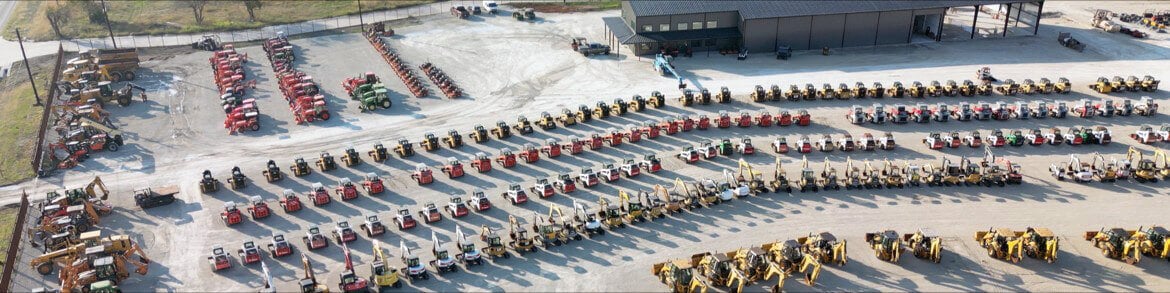
At Himes Equipment, we help businesses find the right setup—whether that means buying used machines or renting for a quick turnaround. We offer fair rental rates and a huge inventory of lien-free, pre-owned equipment. No brokers. No markups. Just straight answers and machines that work.
Still wondering, “should I buy or rent construction equipment?” Give us a call or stop by. We’ll help you weigh the pros and cons of buying vs renting equipment and make the right call for your next job.