ENGLISH: (214) 901-3251
ENGLISH OR SPANISH: (972) 533-0340 / (469) 790-8047
ENGLISH: (214) 901-3251
ENGLISH OR SPANISH: (972) 533-0340 / (469) 790-8047
ENGLISH: (214) 901-3251
ENGLISH OR SPANISH: (972) 533-0340 / (469) 790-8047
ENGLISH: (214) 901-3251
ENGLISH OR SPANISH: (972) 533-0340 / (469) 790-8047
The pace of construction rarely slows down. It just changes. Some years are driven by housing, others by infrastructure, and some by private development and industrial work. Looking toward 2026, construction industry trends point to steady activity in many parts of the country, with Texas continuing to stand out.
Across the state, Texas construction growth is being seen in different ways. More subdivisions are breaking ground. More warehouses are going up along major corridors. More road and utility work to keep up with it all. From Dallas-Fort Worth to Houston to Central Texas, crews are staying busy, and schedules are staying tight.
Those construction trends in Texas do more than fill bid calendars. They shape what equipment is available, how long buyers wait for machines, and what prices look like in both the new and used markets.
For contractors and developers, paying attention to these shifts is not about reading reports. It is about knowing when rental yards are full, when used inventory gets thin, and when financing becomes more competitive. As heavy equipment demand in Texas continues to change, buyers who watch these signals closely are usually the ones who end up with better options and fewer delays.
Most forecasts point to continued strength in the Texas construction market heading into 2026. Population growth remains a major driver, especially in metropolitan areas where housing, retail, and infrastructure development tend to follow close behind.
Dallas-Fort Worth continues to expand along major transportation corridors. Houston remains active in industrial and energy-related construction. Austin and San Antonio are seeing steady commercial and residential development tied to business relocation and regional growth. In West Texas and along the coast, energy and logistics projects continue to support long-term demand.
Within the broader Texas construction industry, this combination of public and private investment has created a relatively stable pipeline of work. While economic cycles still matter, Texas has consistently maintained stronger momentum than many other regions. This pattern places the state firmly within national construction industry growth trends for 2026.
When construction activity increases, equipment demand follows quickly. Rising heavy equipment demand in Texas is closely tied to expanding project schedules and tighter completion windows.
In busy markets, rental yards tend to fill up faster. Delivery times for new equipment can stretch longer. Used inventory moves more quickly. Contractors who wait until the last minute often find themselves choosing from fewer options.
Construction sector trends also show a growing preference for ownership among mid-sized firms. Owning core machines gives contractors more control over scheduling and reduces dependence on limited rental supply during peak periods.
As more projects overlap across regions, competition for reliable equipment increases. Monitoring heavy equipment demand in Texas helps buyers anticipate these pressure points before they become problems.
Labor remains one of the most persistent challenges facing the Texas construction industry. Skilled operators, supervisors, and specialty trades continue to be difficult to replace, especially as experienced workers retire.
Many contractors are adapting by investing in machines that allow smaller crews to handle larger workloads. Larger-capacity loaders, more versatile excavators, and multi-purpose attachments are becoming more common on jobsites.
Instead of adding headcount, businesses are choosing equipment that improves productivity. This shift is now a regular feature of construction industry trends for 2026.
In the used equipment market, buyers are paying close attention to machines that support efficient workflows. Equipment that runs reliably with minimal downtime remains highly valued in labor-constrained environments.
Technology is playing a larger role in how contractors manage equipment and projects. Construction industry technology trends in 2026 continue to emphasize connectivity, monitoring, and data-driven decision-making.
Telematics systems now provide real-time information on location, fuel use, and maintenance needs. GPS grading and machine control systems help operators work more accurately and reduce rework. Fleet tracking tools support better scheduling and utilization.
Not every operation needs the latest technology, but many buyers are looking for machines that offer practical digital features without excessive complexity. In the used market, equipment with updated systems often holds value better and attracts more interest.
Balancing cost with capability remains a key consideration as technology continues to advance.
For equipment buyers, current market conditions point to the importance of planning ahead. Rising demand, labor limitations, and technology adoption all affect purchasing decisions.
Timing matters. Buying before peak demand often results in better pricing and broader selection. Waiting until equipment is urgently needed usually limits options.
Used equipment continues to play a major role in fleet expansion. Well-maintained machines allow contractors to increase capacity while preserving working capital. This flexibility is especially valuable during periods of strong activity.
Approaching purchases with a construction equipment buyers guide mindset supports better long-term results. This includes reviewing upcoming workloads, assessing fleet age, and projecting needs one to two years in advance.
Resale value, operating costs, and maintenance history should all factor into buying decisions. Equipment that performs consistently and retains market demand provides greater long-term stability.
Staying current with Texas construction industry news helps contractors anticipate shifts before they show up in bidding volumes or equipment shortages.
Permit data, infrastructure funding announcements, and regional development plans offer early insight into where activity is heading. These indicators often reveal future demand patterns months in advance.
Industry associations, trade publications, and regional planning agencies remain valuable sources of information. Contractors who monitor Texas construction industry news regularly tend to make more confident purchasing decisions.
Awareness reduces uncertainty. Informed buyers are less likely to react under pressure.
Strong construction markets often bring tighter competition for financing. Understanding what the best equipment financing options are helps buyers secure favorable terms.
Traditional banks may offer competitive rates, but they often also require extensive documentation. Specialized lenders focused on construction equipment financing typically provide faster approvals and more flexible structures. Dealer-supported programs can streamline the process by combining equipment selection and financing support.
Preparing financial records early improves approval outcomes. Clear revenue history, organized statements, and stable cash flow increase lender confidence.
Financing terms should align with project schedules and revenue cycles. Well-structured financing allows contractors to grow without placing unnecessary strain on operating budgets.
While economic conditions may fluctuate, most indicators point to continued activity across many regions. Texas remains more resilient than many markets due to population growth and infrastructure investment. Some areas may see slower growth, but statewide demand is expected to remain stable.
For contractors with consistent project pipelines, 2026 may offer strong opportunities. Investing early can improve access to inventory and pricing. Used equipment remains a practical option for controlled expansion.
Prices are closely tied to heavy equipment demand in Texas and overall supply levels. If demand continues to increase while inventory remains limited, pricing pressure may follow. Planning ahead helps manage these risks.
Dallas-Fort Worth, Houston, Austin, and San Antonio continue to lead in development. Energy-producing regions and coastal logistics corridors also contribute to statewide activity.
Strong markets often bring tighter lending standards. At the same time, steady project pipelines improve borrower credibility. Contractors who prepare early typically secure better financing terms.
Construction industry growth trends for 2026 suggest that Texas will remain one of the nation’s most active construction markets. Population expansion, infrastructure investment, and private development continue to support steady demand.
These conditions are driving sustained heavy equipment demand in Texas and shaping how contractors approach fleet planning. Labor challenges and evolving technology are reinforcing the need for efficient, dependable machinery.
For equipment buyers, success in 2026 will depend on preparation, market awareness, and strategic timing. Understanding construction sector trends, monitoring regional activity, and evaluating equipment needs in advance all support stronger long-term outcomes.
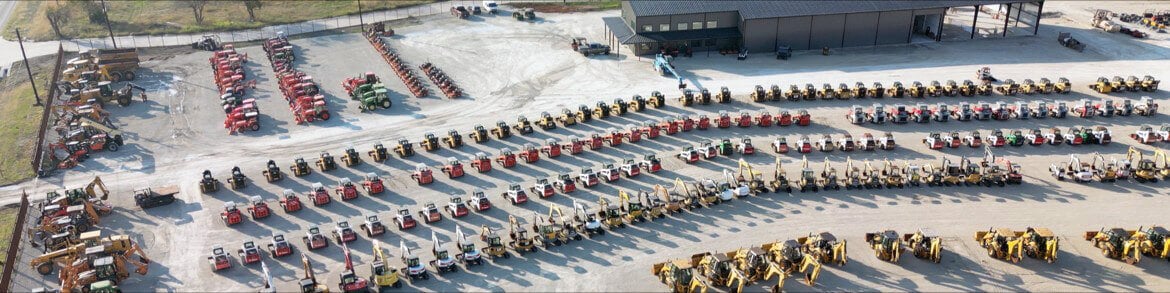
Himes Equipment works with contractors and developers across Texas who are navigating these changing market conditions. If you are planning your next purchase, browse our inventory or speak with our team to find dependable used equipment that fits your goals and keeps your projects moving forward.