ENGLISH: (214) 901-3251
ENGLISH OR SPANISH: (972) 533-0340 / (469) 790-8047
ENGLISH: (214) 901-3251
ENGLISH OR SPANISH: (972) 533-0340 / (469) 790-8047
ENGLISH: (214) 901-3251
ENGLISH OR SPANISH: (972) 533-0340 / (469) 790-8047
ENGLISH: (214) 901-3251
ENGLISH OR SPANISH: (972) 533-0340 / (469) 790-8047
A dozer's real capability has less to do with the machine itself than with what's bolted to the front and back of it. Texas contractors and landowners outfitting equipment for grading, land-clearing, or demolition work often focus on horsepower and size class, then treat the blade or ripper as an afterthought. That order gets it backwards. The wrong attachment turns a capable machine into one that fights the ground instead of moving it, driving up wear, fuel use, and hours spent redoing work that a better-matched setup would have handled the first time.
This guide breaks down the main blade types, ripper configurations, and when a winch earns its place on a machine, so you can match the right dozer attachments to the work in front of you.
A dozer blade is the most basic and most important attachment on the machine, and the style you choose shapes what the dozer can do. Straight blades push material in a direct line and work well for grading flat ground. Angle blades pivot to one side, making them useful for sidecasting material and building roads or ditches. U-blades curve at the edges to hold more material, which suits bulk dirt moving over long distances. A 6 way dozer blade adjusts on multiple axes, tilting, angling, and pitching, making it the most versatile choice for contractors who handle a mix of grading and clearing work on the same machine.
Choosing between these bulldozer blade types comes down to the job at hand. A straight blade excels at fine grading and finish work where precision matters more than volume. An angle blade shines on road building and drainage work where material needs to move to one side rather than straight ahead. A U-blade moves the most material per pass, which makes it the right call for land clearing or large-scale earthmoving. The 6-way blade attachment costs more upfront but pays off for contractors who don't want to swap blades between job types, since it handles grading, sidecasting, and bulk pushing without a change in equipment.
A dozer ripper breaks up hard, compacted, or rocky ground before a blade can move it efficiently. Without a ripper, a dozer trying to push through dense clay, caliche, or rock-laden soil common across parts of Texas will struggle and wear down faster than it should. A bulldozer ripper mounted at the rear scores the ground in passes, loosening material so the blade can do its job on the next pass. If your land-clearing or grading work regularly hits hard subsoil, adding a ripper often saves more in reduced blade wear and machine strain than it costs to install.
The depth and angle of the ripper matter as much as whether you have one at all. A shank set too shallow won't break up compacted ground enough to help the blade, while one set too deep puts unnecessary strain on the dozer's drivetrain. Most experienced operators start with shallower passes and increase depth gradually based on how the ground responds, rather than running full depth from the first pass.
The number of shanks on a ripper attachment changes how it performs. A single shank ripper concentrates force into one point, making it the better choice for breaking up hard rock, caliche, or heavily compacted soil where maximum penetration matters more than coverage. A multi-shank, or ground ripper, spreads several shanks across the rear of the machine, covering more area per pass and working faster through moderately compacted ground that doesn't need the full force of a single shank. Contractors working consistently rocky sites tend to prefer the single shank setup, while those clearing large tracts of moderately hard ground often get more done with a multi-shank rear ripper attachment.
A bulldozer winch isn't standard equipment for most Texas job sites, but it earns its keep in specific situations. Land-clearing crews pulling downed trees, stumps, or heavy debris out of dense brush benefit from the added pulling power a winch provides. Contractors working steep or unstable terrain also use winches to stabilize the machine or assist another piece of equipment stuck in soft ground. For straightforward grading or flat-site clearing work, a winch adds cost and weight without much return, so it's worth adding only when your job type regularly calls for pulling loads the blade alone can't handle.
Most Texas job sites use a combination of attachments across a single project rather than relying on just one. A typical land-clearing job might start with a ripper breaking up compacted ground, move to a U-blade or 6-way blade to push cleared material, and bring in a winch only when heavy debris needs to be pulled clear of the work area. Grading jobs usually rely more heavily on a straight or angle blade with a ripper reserved for hard subsoil sections. Matching attachments to the sequence of work, rather than picking one setup for the entire job, gets the most out of the machine and the crew's time.
Before adding or swapping attachments, weigh the type of ground you work most often, the scale of material you need to move, and how frequently you'll switch between job types. A contractor doing mostly fine grading doesn't need the same setup as one clearing raw land full of rock and roots. It's also worth checking whether your current dozer has the hydraulic capacity to run a heavier blade or ripper attachment before investing in an upgrade, since not every machine is built to handle the added load.
Budget plays a role too. A 6-way blade or multi-shank ripper costs more upfront than simpler alternatives, but for contractors handling varied job types on a regular basis, the added versatility often pays for itself within the first few projects by cutting down on attachment swaps and rental costs for specialized equipment.
Dozers equipped with versatile attachments, particularly 6-way blades and multi-shank rippers, tend to hold resale value better than machines with a single-purpose setup. Buyers shopping the used market often look for equipment that can handle a range of job types without needing to source and install attachments separately. Keeping attachments well maintained, with sharp cutting edges and undamaged shanks, also protects resale value more than most sellers expect.
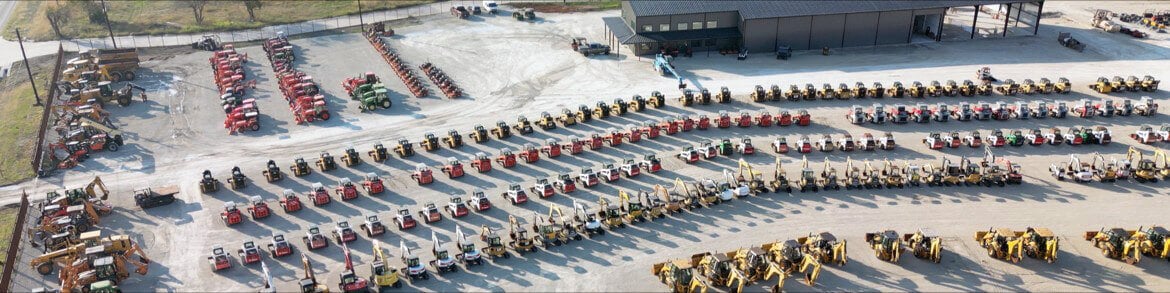
Rather than buying a bare machine and sourcing attachments separately, it often makes more sense to find a dozer already equipped for your type of work. Himes Equipment stocks dozer blade for sale listings alongside rippers and full machines, all inspected and owned outright on our 21-acre lot in Van Alstyne. We also carry powerful dozers for Texas construction projects already fitted with the blade and ripper combinations Texas contractors use most.
Ready to see what's available? Browse our attachments inventory or browse our current dozer inventory to find a machine already set up for your job.
Have questions about which setup fits your work? Contact our team to talk through the right configuration before you buy.