ENGLISH: (214) 901-3251
ENGLISH OR SPANISH: (972) 533-0340 / (469) 790-8047
ENGLISH: (214) 901-3251
ENGLISH OR SPANISH: (972) 533-0340 / (469) 790-8047
ENGLISH: (214) 901-3251
ENGLISH OR SPANISH: (972) 533-0340 / (469) 790-8047
ENGLISH: (214) 901-3251
ENGLISH OR SPANISH: (972) 533-0340 / (469) 790-8047
Equipment failures rarely occur at convenient times. A machine that goes down during active work can disrupt schedules, idle crews, and increase operating expenses. Even short periods of downtime can create delays that affect multiple phases of a project. Understanding how to reduce equipment downtime is essential for protecting project timelines and controlling costs.
For many crews, equipment downtime affects more than daily output. It influences labor planning, delivery coordination, and client expectations. On Texas construction sites, long operating seasons, high temperatures, and dusty environments place additional strain on machinery. These conditions make proactive maintenance and monitoring especially important.
This guide outlines common causes of equipment failure, practical prevention methods, and proven strategies to help contractors reduce equipment downtime and maintain operational stability.
Identifying heavy equipment downtime causes is the first step toward improving reliability. Most breakdowns develop gradually. Wear, missed inspections, and environmental exposure contribute to declining performance long before a failure occurs.
Common causes include overheating, restricted airflow from clogged filters, hydraulic leaks, electrical faults, contaminated fuel, and worn components. Texas heat accelerates fluid degradation and places additional stress on cooling systems. Dust accumulation reduces engine efficiency and increases internal wear. When maintenance is delayed, these conditions often escalate into major mechanical problems.
Addressing heavy equipment downtime causes early allows contractors to plan repairs instead of reacting to emergencies. Consistent monitoring supports reducing machine downtime and extends equipment service life.
Effective downtime reduction strategies focus on consistency and planning rather than short-term solutions. Contractors who maintain reliable equipment typically rely on structured maintenance systems.
These systems include scheduled preventive service, routine inspections, detailed maintenance records, and timely replacement of wear parts. Monitoring service intervals helps crews schedule repairs before failures occur. Clear reporting procedures ensure that operators communicate concerns early.
Well-established downtime reduction strategies help contractors reduce equipment downtime and avoid costly emergency repairs. When maintenance planning becomes part of daily operations, equipment availability improves and scheduling becomes more predictable. Over time, these systems support long-term efforts to reduce downtime across multiple projects.
Learning how to prevent equipment downtime requires a proactive approach. Waiting for visible failures increases repair costs and disrupts workflow. Preventive maintenance focuses on managing risk before performance declines.
Key preventive practices include monitoring fluid condition, inspecting belts and hoses, checking electrical systems, and scheduling service ahead of peak operating periods. Operator training is equally important. Experienced operators recognize unusual sounds, reduced responsiveness, and warning indicators that may signal developing issues.
Consistent inspection and training programs help crews avoid machine downtime and maintain stable performance. Contractors who emphasize preventive practices are more successful in reducing machine downtime and minimizing operational disruptions.
Modern equipment provides valuable performance information that supports maintenance planning. When used effectively, this data becomes an important tool for reducing equipment downtime.
Service records, diagnostic reports, and operating hour data reveal wear patterns and recurring issues. Monitoring fuel efficiency and system alerts allows managers to schedule repairs during planned service windows rather than during active production periods.
Data-driven maintenance decisions reduce uncertainty and improve reliability. These insights strengthen downtime reduction strategies and help limit unnecessary equipment downtime. Performance monitoring also supports informed planning and long-term equipment management.
Operating on Texas construction sites requires additional preparation. Extended work seasons, high temperatures, and heavy dust exposure place continuous stress on equipment systems.
To avoid machine downtime, crews should inspect cooling systems frequently, clean air filters regularly, and monitor hydraulic and engine temperatures. Maintenance schedules often need adjustment during summer months to account for increased operating loads. Keeping commonly used replacement parts onsite reduces repair delays.
Protecting machines from excessive dust and weather exposure also supports reducing machine downtime. Contractors who adapt maintenance practices to regional conditions are better equipped to maintain equipment reliability on Texas construction sites. These measures reinforce daily efforts to prevent equipment downtime and sustain long-term performance.
Equipment downtime carries direct and indirect financial consequences. Idle crews continue to generate labor costs. Rental equipment may require extensions. Material deliveries can be delayed. Project milestones may be missed.
When contractors focus on reducing machine downtime, they protect profit margins and improve cost control. Efforts to reduce equipment downtime lower emergency repair expenses and limit schedule disruptions. Minimizing unexpected equipment downtime also strengthens relationships with clients and project stakeholders.
Over time, consistent maintenance planning reduces operational risk and improves financial predictability. Contractors who invest in equipment reliability often experience measurable improvements in efficiency and budget stability.
High temperatures, dusty conditions, and long operating seasons increase mechanical stress and accelerate component wear. Without adjusted maintenance practices, equipment is more likely to fail.
Scheduling preventive service before summer, increasing inspection frequency, rotating equipment usage, and monitoring cooling systems help manage seasonal risk.
Overheating, clogged filters, hydraulic leaks, electrical failures, and delayed maintenance are among the most frequent causes. Environmental conditions often intensify these issues.
Standardized maintenance programs, operator training, performance monitoring, and early issue reporting are the most effective methods.
Downtime increases labor expenses, delays schedules, raises repair costs, and can result in missed deadlines. These factors directly affect project profitability.
Reducing equipment downtime requires consistent planning, disciplined maintenance, and ongoing performance monitoring. Contractors who prioritize preventive practices are better positioned to manage schedules, control costs, and maintain productivity.
Regular reviews of equipment condition, service history, and operating data help identify risks before they escalate. Proactive maintenance supports long-term efforts to reduce equipment downtime and strengthen operational reliability.
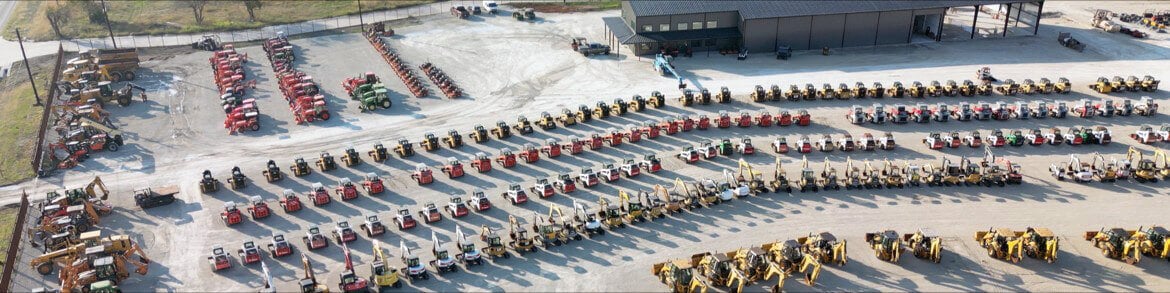
Dealers like Himes Equipment support contractors through transparent equipment history, properly maintained inventory, and detailed documentation. Starting with reliable machines and verified service records is one of the most effective ways to limit future downtime and keep projects operating on schedule.