ENGLISH: (214) 901-3251
ENGLISH OR SPANISH: (972) 533-0340 / (469) 790-8047
ENGLISH: (214) 901-3251
ENGLISH OR SPANISH: (972) 533-0340 / (469) 790-8047
ENGLISH: (214) 901-3251
ENGLISH OR SPANISH: (972) 533-0340 / (469) 790-8047
ENGLISH: (214) 901-3251
ENGLISH OR SPANISH: (972) 533-0340 / (469) 790-8047
Two used bulldozer listings can look nearly identical in photos, same hours, same year, similar price, and still be worth ten thousand dollars apart in real value. The difference rarely shows up in a description or a handful of pictures. It shows up in undercarriage wear, hydraulic condition, and a maintenance history that either backs up the listing or contradicts it. Buyers who skip past these details end up choosing between two machines that look the same on paper but perform very differently on the job.
This checklist walks through what separates a solid used bulldozer for sale from one that looks fine now and turns expensive within the first year of ownership.
A good used dozer runs on more than a low hour count and a clean paint job. The machines worth buying show consistent maintenance records, undercarriage wear that matches the stated hours, and no signs of shortcuts taken to get the equipment ready for sale. A money pit, on the other hand, often looks nearly identical at first glance but hides deferred maintenance, mismatched parts, or hour meter numbers that don't line up with actual wear. Knowing what to check, and in what order, is the difference between the two.
The undercarriage is one of the most expensive systems to replace on any dozer, and it's also one of the easiest to inspect if you know what to look for. Check the track pads, rollers, idlers, and sprockets for even wear rather than heavy wear concentrated on one side, which can point to alignment problems or years of grading uneven ground. Measure track sag; excessive slack usually means the undercarriage is closer to replacement than the hour meter suggests. On used dozers, undercarriage condition alone can shift the fair price by several thousand dollars, so this step is worth doing carefully rather than rushing through it.
Bring a tape measure if you can, or ask the seller for recent undercarriage measurements if the machine has been serviced professionally. A visual check catches obvious wear, but a measured comparison against manufacturer specs gives a much clearer picture of how many hours are realistically left before a full replacement is needed.
An hour meter gives you a starting point, not the full picture. Low hours on a machine that's clearly been rode hard, chipped paint, worn seat, heavily scratched glass, should raise questions about whether the meter has been reset or replaced. High hours on a machine with a documented maintenance history and even wear can still be a better buy than a low-hour machine with no records at all. For a closer look at how to read hour meter data in context rather than at face value, see our guide on
understanding used equipment hour meters.
Start the machine cold and watch how the blade, ripper, and any other hydraulic functions respond. Slow or jerky movement, unusual noise, or visible fluid leaks around cylinders and hoses point to hydraulic problems that can be costly to repair. Cycle the blade through its full range a few times and check for smooth, consistent motion without hesitation. Fluid that looks milky or contains metal shavings on the dipstick is a red flag worth walking away from, not just negotiating around.
Pay attention to how the machine performs after it's warmed up, too. Some hydraulic issues only show up once fluid temperature rises, so a quick cold start that looks fine isn't a full inspection on its own. If the seller is reluctant to let you run the machine long enough to warm it up, treat that as a sign to ask more questions.
Beyond the undercarriage itself, listen for unusual engine noise on startup and under load, check exhaust color for excessive smoke, and look for oil residue that suggests a leak the seller hasn't disclosed. Rust or excessive buildup around the engine bay can hide corrosion that's more serious than a quick cleaning would suggest. None of these signs alone should disqualify a machine, but two or more together usually mean it's worth having a technician take a closer look before you commit.
A dozer with complete service records, even one with higher hours, is often a safer buy than a machine with no paperwork at all. Records show whether fluids were changed on schedule, whether the undercarriage was serviced proactively, and whether previous owners treated the machine as a working tool or ran it into the ground. Sellers who can't produce any history at all should prompt more questions, not fewer, especially when the asking price assumes the machine is in excellent condition. If you want a broader framework for evaluating condition across any type of used equipment, our guide on how to spot quality in used equipmentcovers the fundamentals that apply here too.
How much a bulldozer costs varies by size, hours, and condition, but a well-maintained used dozer in the small to mid-size range typically runs $35,000 to $70,000 in today's market. Machines priced well below that range often carry hidden issues that justify the discount, while machines priced above it should come with documentation and condition that clearly support the premium. Comparing several listings side by side, rather than anchoring on the first price you see, gives a much clearer sense of what's fair for the specific machine in front of you.
Private sellers can offer lower prices, but buyers take on more risk without a dealer's inspection process, financing options, or accountability if something goes wrong after the sale. A dealer who owns machines outright, rather than brokering listings from other sellers, has both the incentive and the ability to catch problems before a machine goes up for sale. That difference matters most for buyers who don't have the time or expertise to run a full inspection themselves.
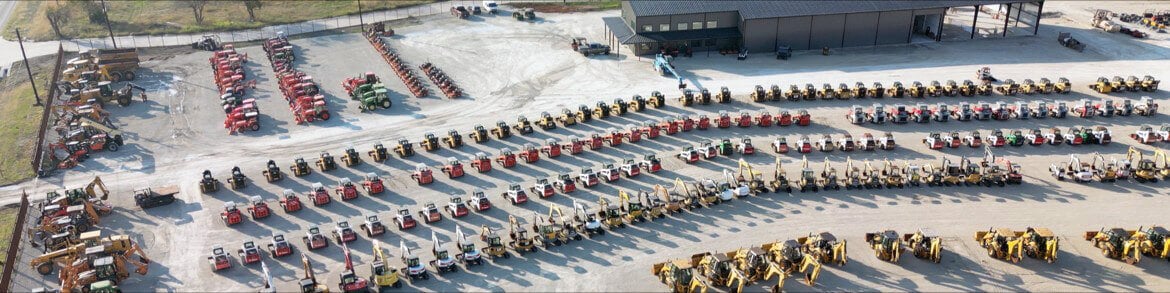
Himes Equipment inspects every used bulldozer and used dozer on our 21-acre lot in Van Alstyne before it goes up for sale, so buyers aren't left guessing about undercarriage condition or hidden maintenance issues. We also carry powerful dozers for Texas construction projects across a range of sizes and price points, all owned outright rather than brokered.
Ready to see what's on the lot? Browse our current dozer inventory or contact our team to talk through what to look for before you buy.