ENGLISH: (214) 901-3251
ENGLISH OR SPANISH: (972) 533-0340 / (469) 790-8047
ENGLISH: (214) 901-3251
ENGLISH OR SPANISH: (972) 533-0340 / (469) 790-8047
ENGLISH: (214) 901-3251
ENGLISH OR SPANISH: (972) 533-0340 / (469) 790-8047
ENGLISH: (214) 901-3251
ENGLISH OR SPANISH: (972) 533-0340 / (469) 790-8047
New bulldozers are impressive on paper. The price tag is less impressive once it hits your balance sheet. Most Texas contractors who have been in business long enough already know this, which is why the used market for dozers for sale in Texas stays competitive. The machines hold up. The work doesn't slow down. And a well-maintained used bulldozer does everything a new one does at a fraction of the cost.
Here's what to know before you buy one.
A new bulldozer for sale from a manufacturer carries a price that most small to mid-size contractors can't justify outside of a long-term financing arrangement. A used bulldozer for sale at the right price point delivers the same blade capacity, the same undercarriage, and the same production capability without the depreciation hit that follows a new machine off the lot.
Dozers are also built to last. With proper maintenance, a Cat D6 or Komatsu D65 runs well past 10,000 hours. Buying used at 3,000 or 4,000 hours means you're getting a machine with the majority of its service life intact. For most Texas operations, that math works. Powerful dozers for Texas construction projects breaks down which models have the strongest track record in this market.
Size is where a lot of buyers overbuy. The logic is understandable: get the biggest machine you can afford and never feel underpowered. In practice, running an oversized dozer on a job that doesn't require it costs more in fuel, transport, and wear than it saves in time.
Small bulldozer models in the 60 to 80 horsepower range handle most site prep, grading, and land clearing work on residential and light commercial jobs. A small bulldozer is also easier to haul between sites and fits tighter areas where a larger machine would struggle. Mid-size machines in the 100 to 200 horsepower range cover heavy site work, road building, and utility grading. Large dozers above 200 horsepower are purpose-built for mining, major earthmoving, and high-volume production work. Most Texas contractors don't need to go that large.
Match the machine to the majority of your jobs, not the biggest job you think you might land.
This is a real question for contractors who are growing their fleet and can only add one machine at a time. The bulldozer vs. excavator decision comes down to what your jobs primarily require.
A bulldozer moves material horizontally. It pushes, grubs, strips topsoil, and grades. An excavator digs vertically, loads trucks, and handles precision trenching. On many Texas jobsites, you need both. But if you're choosing one first, think about which task shows up more consistently in your work. Clearing and grading jobs favor the dozer. Utility, foundation, and drainage work favor the excavator. For a deeper look at the excavator side of that decision, Used vs. New Excavators: Which is Right for your Business? walks through the variables worth considering.
Condition varies widely in the used dozer market, and price doesn't always reflect what's actually going on with the machine. Before you commit, work through these inspection points:
How to spot quality in used equipment covers the full inspection process in more detail.
Bulldozer price varies significantly by size, brand, hours, and condition. A used small bulldozer in the 60 to 80 horsepower range typically runs $25,000 to $60,000 on the used market. Mid-size machines in good condition with reasonable hours fall in the $60,000 to $120,000 range. Larger production dozers run considerably higher.
How much does a bulldozer cost when you factor in undercarriage wear, deferred maintenance, and needed repairs? That's the number that matters more than the asking price. Always price out the cost to bring a machine up to working condition before you make an offer. A used bulldozer for sale at $45,000 with $15,000 of undercarriage work due is a $60,000 machine, not a deal. If financing is part of your purchase plan, financing used heavy equipment in Texas is worth reviewing before you get to that conversation.
Most bulldozers are crawler machines. Rubber or steel tracks distribute the machine's weight across a wider footprint, which gives crawlers better traction on soft, loose, or uneven ground. For Texas conditions, including caliche, rocky Hill Country terrain, and wet East Texas clay, a tracked crawler dozer handles the majority of work without issue.
Wheel dozers exist and have their place, primarily on hard, stable surfaces where speed and maneuverability matter more than traction. Road construction and large, flat site work are where wheel dozers perform well. For most Texas contractors doing varied site prep and land clearing across different soil types, a crawler is the default choice and the more versatile machine across job conditions.
The machine tells part of the story. The dealer fills in the rest. Ask for the maintenance history and service records. Ask whether the machine has had any structural repairs, undercarriage replacement, or engine rebuilds. Ask how the machine was used and what type of work it was doing before it came off the job. Ask whether a warranty or post-sale support is available.
Also ask how the price was determined. A dealer who can explain their pricing in relation to hours, condition, and comparable dozers for sale in the market is one who knows the inventory they're moving. One who can't is worth being cautious with. Dealer vs. Auction: The Smarter Way To Buy Used Equipment covers the sourcing decision most buyers face at this stage.
Texas contractors searching for dozers for sale near me have options ranging from private sellers and online auctions to dealerships with owned inventory. The difference matters. Private sellers and auction platforms move machines without accountability for condition or disclosure. A dealer selling owned inventory has skin in the game and a reputation behind each machine.
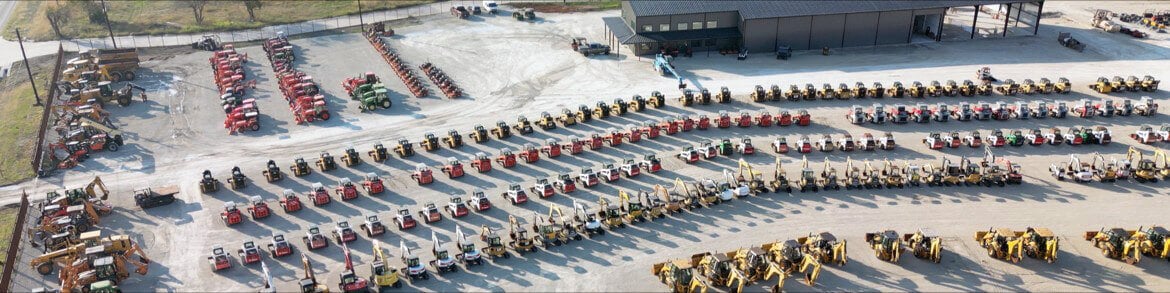
Himes Equipment sells used dozers for sale with transparent pricing, honest condition descriptions, and video walkthroughs available on request. Everything in the inventory is owned outright. No consignment, no brokers. Browse used dozers for sale at Himes Equipment to see current listings, or explore all construction equipment at Himes Equipment if you're building out a broader fleet.