ENGLISH: (214) 901-3251
ENGLISH OR SPANISH: (972) 533-0340 / (469) 790-8047
ENGLISH: (214) 901-3251
ENGLISH OR SPANISH: (972) 533-0340 / (469) 790-8047
ENGLISH: (214) 901-3251
ENGLISH OR SPANISH: (972) 533-0340 / (469) 790-8047
ENGLISH: (214) 901-3251
ENGLISH OR SPANISH: (972) 533-0340 / (469) 790-8047
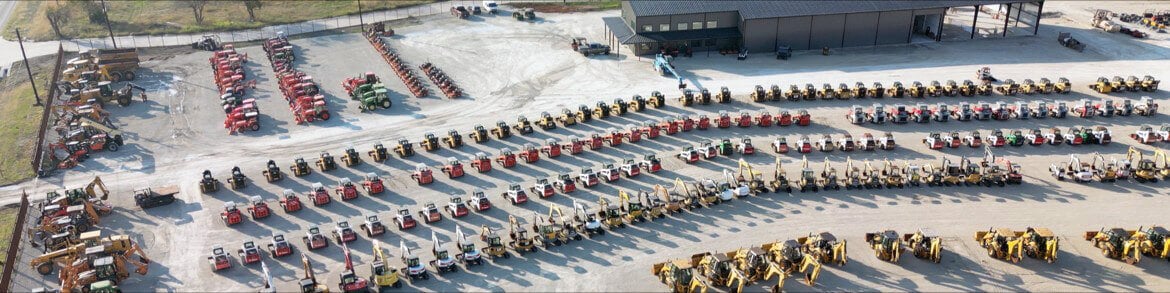
Everything from clearing land to paving roads starts with the right equipment. But if you’re new to construction, farming, or landscaping, the variety of machines out there can feel overwhelming. Understanding the main types of heavy equipment helps you choose tools that fit your work and budget. At Himes Equipment, we spend every day helping customers across Texas find dependable machines that make tough jobs easier. Here’s a quick guide to the main categories, uses, and examples.
Heavy equipment generally falls into four main categories. Each one serves a specific purpose, though some machines overlap in how they’re used:
Knowing how these heavy equipment categories work helps narrow your choices when buying or renting a machine.
Heavy equipment is any machine designed to perform large-scale or high-power tasks. This usually means equipment built with hydraulics and steel frames capable of handling significant force or weight. Some of the most common heavy equipment names and uses include:
The difference between light and heavy equipment comes down to power, size, and purpose. Light equipment, such as compact tractors or small skid steers, is ideal for smaller-scale work like landscaping or residential grading. Heavy equipment, such as dozers and full-size excavators, is built for high-production work and large jobsites. Both have their place. Many customers at Himes Equipment rent lighter machines for flexible short-term work, then upgrade to heavier units once they expand operations or take on larger contracts.
Construction projects rely on different machines for each phase of work. Here are some heavy equipment uses and examples found on most jobsites in Texas:
In agriculture, heavy equipment refers to any machine that performs large-scale field work. Tractors are the most common example, but other farm machinery fits this category too:
Across Texas, the most in-demand machines are skid steers, excavators, and tractors. Their versatility makes them valuable in construction, ranching, and landscape management. Skid steers are a favorite because they can handle tight spaces and accept a variety of attachments. Excavators are relied on for drainage and utility work, while tractors remain essential for both farms and property maintenance. These heavy equipment examples and functions show how one machine can serve multiple industries depending on the job and attachments used.
Choosing between equipment types can be confusing, especially if you’re new to the industry. Our team at Himes Equipment takes time to learn about your project and guide you toward the right machine for the work ahead. Every piece of equipment we sell is owned outright, inspected by our mechanics, and supported with a no-lien, no-loan guarantee. Whether you need construction, farm, or landscape equipment, we’ll help you find a dependable option at a fair price.
Learning how heavy equipment categories work is the first step to buying or renting with confidence. Once you understand which machines handle which tasks, you’ll know what to look for in terms of power, size, and attachments. At Himes Equipment, we’re here to answer your questions and help you choose equipment that fits your workload, not just the label on the machine. Visit our Van Alstyne yard or browse our inventory online to find trusted types of heavy equipment ready to work wherever your next job takes you.