ENGLISH: (214) 901-3251
ENGLISH OR SPANISH: (972) 533-0340 / (469) 790-8047
ENGLISH: (214) 901-3251
ENGLISH OR SPANISH: (972) 533-0340 / (469) 790-8047
ENGLISH: (214) 901-3251
ENGLISH OR SPANISH: (972) 533-0340 / (469) 790-8047
ENGLISH: (214) 901-3251
ENGLISH OR SPANISH: (972) 533-0340 / (469) 790-8047
When you’re buying used heavy equipment, one of the first things you check is the hour meter. It’s a small detail with a big role. Hour meters track the amount of time a machine has been in operation, typically by counting engine run time. From skid steers to tractors to excavators, hour meters are a universal tool for gauging equipment wear.
But hours are only part of the story. Understanding equipment hour meters helps you make smarter choices, but you also need to consider maintenance history, application, and overall condition. At Himes Equipment, we take that extra step by offering dealer-verified hour meter readings, so you can trust what you’re seeing.
Hour meters track cumulative engine run time in hours. The meter counts up whenever the engine is running and stops when you shut it off. A machine showing 2,000 hours has had its engine running for 2,000 total hours since new or since the meter was last reset. How hour meters work is straightforward: they give you a baseline for how much the machine has been used, which helps estimate wear and remaining service life.
A good hour meter reading on the machine type and maintenance history. Generally, under 1,500 hours is considered low, 2,000 to 4,000 hours is mid-range, and 5,000 plus is high. Well-maintained machines can last well beyond 10,000 hours, so condition and service records matter as much as the number itself.
Reading an hour meter is usually simple, but it’s important to know what you're looking at. Some machines use digital displays, while others still use analog dials. Either way, you’re looking for the total engine hours—usually visible from the dash or control panel.
Knowing how to read equipment hour meters correctly can help you compare two similar listings or spot possible red flags. If the machine looks heavily worn but has unusually low hours, it may be worth a closer look. That’s why Himes Equipment includes close-up visuals of hour meters in our video walkarounds, so you can verify before visiting in person.
By building your confidence in what hour meters mean on heavy equipment, you’ll be in a better position to judge value and lifespan.
So what is considered high hours on heavy equipment? That depends on the type of machine. Here's a quick guide based on what we see most often at Himes:
• Skid Steers: 2,000–2,500 hours is considered mid-life. Over 4,000 hours is typically high, though well-maintained models can still run strong.
• Tractors: Farm tractors often last longer, with many reaching 5,000–6,000 hours or more before major overhauls.
• Excavators: Around 3,000–5,000 hours is common for used models. Over 7,000 can be considered high hours depending on usage.
These ranges are useful when weighing the high hour vs low hour equipment pros and cons, but don’t rely on hours alone. Always ask how the equipment was used and whether it was maintained on schedule.
Two machines with identical hour meter readings can be in totally different condition. One might have been used daily on dusty job sites, the other for light seasonal work on a farm. That’s why understanding equipment hour meters is important—but so is looking beyond them.
At Himes Equipment, we emphasize how hours compare to overall equipment condition. Our team checks for consistent service records, signs of heavy wear, and other usage indicators. If a machine has higher hours but a strong maintenance history, it may be a better value than a low-hour model that was neglected.
As part of our inspection, we’re also checking hour meter accuracy before purchase to confirm that what’s displayed lines up with the machine’s wear and documented use.
Unfortunately, not every used equipment seller plays fair. Can hour meters be tampered with? Yes—and while it’s illegal, it’s not unheard of. Meters can sometimes be rolled back or replaced, especially in older models.
That’s why knowing how to read equipment hour meters correctly and inspecting the rest of the machine matters. Look for mismatched wear on pedals, seats, arms, or tires. If the meter says 1,500 hours but the machine is heavily worn, you may be looking at a red flag.
At Himes, dealer verified hour meter readings help protect buyers from this kind of risk. We use maintenance records and visual inspection to make sure you’re getting an honest picture.
At Himes Equipment, transparency is part of the process. Before any machine goes on the lot, we inspect the hour meter, confirm the reading matches visible wear and service history, and note it in the listing.
We also provide video walkarounds that show the meter reading clearly, along with full photos of the interior and exterior. That way, you don’t have to rely on just our word—you can see for yourself.
This approach to checking hour meter accuracy before purchase is part of what makes Himes different. We believe understanding equipment hour meters shouldn’t be complicated, and we do everything we can to make the process clear.
Hour meters play a big role in pricing, but they’re not the whole story. Low-hour machines often sell faster and for more—but they cost more upfront. Well-maintained high-hour equipment can still offer great value, while neglected low-hour units may not hold up.
Understanding what is considered high hours on heavy equipment helps you set realistic expectations and plan for resale or long-term use.
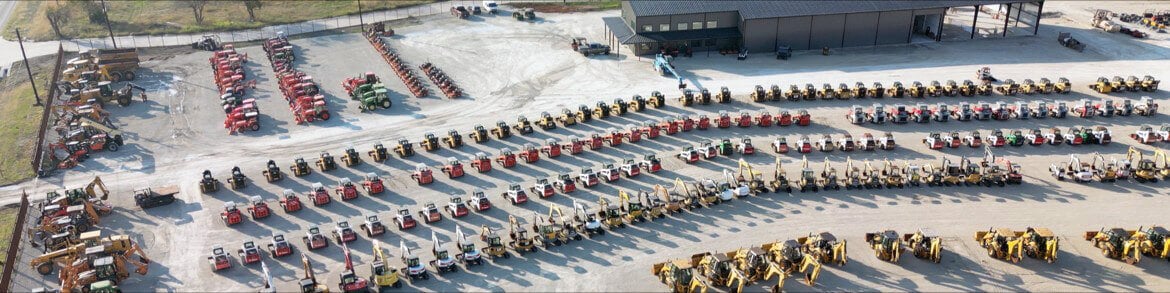
Ready to buy with confidence? Browse our inventory online or visit Himes Equipment in Van Alstyne. From low-hour excavators to solid, work-ready tractors, we’ll help you find the right fit for your next job.