ENGLISH: (214) 901-3251
ENGLISH OR SPANISH: (972) 533-0340 / (469) 790-8047
ENGLISH: (214) 901-3251
ENGLISH OR SPANISH: (972) 533-0340 / (469) 790-8047
ENGLISH: (214) 901-3251
ENGLISH OR SPANISH: (972) 533-0340 / (469) 790-8047
ENGLISH: (214) 901-3251
ENGLISH OR SPANISH: (972) 533-0340 / (469) 790-8047
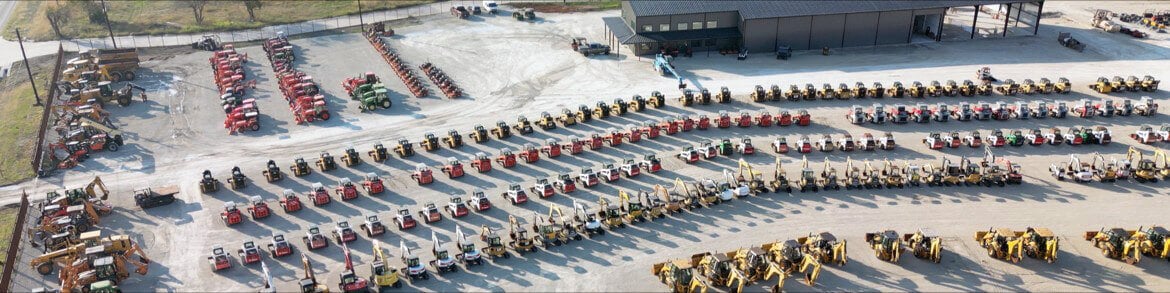
Choosing between a used or new excavator is a critical decision for construction and landscaping businesses, balancing cost, performance, and long-term value. Whether you’re considering buying a used excavator or investing in a new one, understanding the pros and cons is key. This excavator purchase guide provides a used vs. new excavator comparison to help you decide what’s best for your business, with insights on costs, reliability, and more.
A primary factor in how to decide between used and new excavators is cost. Excavator cost comparison shows that new excavators typically range from $50,000 to $500,000, depending on size and features, while used excavators can cost 30-60% less, starting around $20,000 for compact models. A cost analysis of used vs. new excavators reveals that used machines offer significant upfront savings, ideal for small businesses or startups. Check out Himes Equipment’s equipment for sale to explore used excavators with transparent pricing to help you compare.
While purchase price is important, excavator cost of ownership extends far beyond the initial investment. Ongoing expenses such as routine service, wear parts, repairs, and downtime all contribute to the true cost of a machine. An excavator maintenance costs comparison often shows that used excavator operating costs can remain predictable when the equipment has been properly maintained. Evaluating the full lifecycle, rather than just upfront price, helps business owners make decisions that support long-term profitability.
Understanding excavator depreciation explained is critical when comparing long-term value. New equipment typically experiences its steepest depreciation within the first year of ownership, which directly affects new excavator vs used cost over time. Used machines have already absorbed much of that initial value loss, allowing buyers to retain more equity. This dynamic also influences used excavator resale value, making depreciation a key factor for businesses planning future upgrades.
The benefits of new excavator technology include advanced features like GPS, automated controls, and improved fuel efficiency. New excavator benefits also encompass longer warranties (typically 2-5 years), lower maintenance costs initially, and compliance with current emission standards. New excavators are ideal for businesses prioritizing cutting-edge performance and minimal downtime.
The advantages of purchasing a used excavator center on cost savings and availability of used excavators in the market. Used excavator pros and cons include lower purchase prices but potential for higher maintenance costs if not properly vetted. Reliability of used excavators depends on the machine’s condition and service history. At Himes Equipment we ensure that our used excavators are thoroughly inspected, making us a great choice for customers looking for reliable used construction equipment. For businesses with short-term needs, we also offer rental equipment.
When viewed through a decision-making lens, the used vs new excavator comparison often shows that used equipment can be a strategic choice rather than a compromise. For many owners asking should I buy a used excavator, the answer depends on transparency, inspection quality, and documented service history. When those elements are present, used machines can deliver strong productivity and long-term value.
Factors to consider when choosing excavator condition include your budget, project demands, and long-term goals. What factors should influence your decision based on business needs? Consider:
How to inspect a used excavator before buying is critical to ensure reliability. Use these tips for buying a used excavator
How to assess excavator wear and tear includes looking for rust, worn pins, or loose components. Common issues with used excavators include hydraulic leaks, undercarriage wear, and electrical faults.
The importance of maintenance records for used backhoes cannot be overstated. How to find service history of used backhoe loaders involves requesting documentation from the seller to confirm regular maintenance. How to verify hours of operation on used backhoes is equally important—lower hours (under 5,000) often indicate less wear, but high hours with good maintenance can still be reliable.
A common concern for buyers is how many hours is too many on an excavator. While hour count matters, it should be evaluated alongside duty cycle, maintenance practices, and operating environment. Excavator lifespan used vs new varies widely, and machines with higher hours can remain dependable when properly serviced. Used excavator reliability factors such as inspection records and component condition often matter more than hours alone.
Performance comparison for used vs. new excavators shows new models often have superior technology, like telematics for tracking performance, which boosts efficiency. However, well-maintained used excavators can match performance for less demanding tasks. Evaluating fuel efficiency of used vs. new excavators favors newer models with eco-friendly engines, but used excavators from reputable dealers like Himes remain competitive.
From a productivity standpoint, newer technology is not always necessary for every operation. Many contractors find that reliable used equipment meets job requirements without the higher capital investment, reinforcing the importance of aligning performance needs with business goals rather than defaulting to the newest model.
What financing options are available for both new and used excavators? Himes Equipment offers flexible financing plans for used equipment, making ownership accessible.
For small and growing contractors, the best excavator option often comes down to balancing cash flow with capability. Owners frequently ask should I buy a used excavator when scaling operations, and in many cases, the answer is yes. A used excavator buying guide approach helps businesses acquire dependable equipment while preserving capital for labor, fuel, and future growth. When sourced from transparent dealers with documented inspections, used equipment can support expansion without unnecessary financial strain.
Himes Equipment in Van Alstyne is a top choice, offering quality used excavators with thorough inspections and transparent documentation. Our expertise ensures you get a machine that fits your business needs.
By weighing the used vs. new excavator comparison—considering costs, maintenance, depreciation, and performance—you can make an informed decision. Whether you prioritize the benefits of buying a new excavator or the advantages of purchasing a used excavator, Himes Equipment provides reliable options to support your Texas business. Contact us today to learn more.