ENGLISH: (214) 901-3251
ENGLISH OR SPANISH: (972) 533-0340 / (469) 790-8047
ENGLISH: (214) 901-3251
ENGLISH OR SPANISH: (972) 533-0340 / (469) 790-8047
ENGLISH: (214) 901-3251
ENGLISH OR SPANISH: (972) 533-0340 / (469) 790-8047
ENGLISH: (214) 901-3251
ENGLISH OR SPANISH: (972) 533-0340 / (469) 790-8047
Buying used equipmentcan be a smart way to save money and keep your business moving. But the used equipment market also attracts bad actors who target buyers looking for a deal. Learning how to avoid scams when buying used equipment is just as important as choosing the right machine.
The good news is that most common used equipment scams follow predictable patterns. By understanding how scams work, knowing how to verify a used equipment seller, and taking a few extra steps before sending money, you can focus on buying used equipment safely and with confidence.
Many common used equipment scams start with red flags hidden in the listing itself. One of the biggest warning signs is a price that is far below market value with little explanation. Scammers often rely on urgency to distract buyers from asking questions.
Other red flags include vague descriptions, missing serial numbers, or photos that appear generic or pulled from manufacturer websites. Knowing how to spot fake equipment listings means paying attention to details like reused images, incomplete specifications, or sellers who avoid phone calls. These are all classic signs of used machinery scams online.
One of the most effective ways to avoid scams when buying used equipment is to verify who you are buying from. A legitimate seller should be easy to identify, easy to contact, and transparent about their inventory.
To verify a used equipment seller, look for a physical location, established business presence, and clear communication. Verified dealers typically own the equipment they sell and can explain its history. Anonymous online listings or sellers who refuse video walkarounds significantly increase the risk of used machinery online scams.
Ownership documentation plays a major role in buying used equipment safely. One of the most damaging common used equipment scams involves machines that still have outstanding liens. Even after payment, equipment with unresolved liens can be repossessed.
Serial numbers should always match documentation and be visible on the machine itself. Titles, lien releases, and ownership verification protect buyers from legal and financial problems. These steps are essential safeguards when learning how to avoid scams when buying used equipment.
Understanding dealer vs private seller used equipment risks helps buyers choose the right path based on their comfort level and experience. Private sellers can be legitimate, especially when selling personally owned equipment, but the risk increases when ownership history, inspections, and documentation are unclear or unavailable. In many cases, private sellers may not have complete records or may be unfamiliar with lien requirements, which places more responsibility on the buyer.
Verified dealers typically sell dealer-owned inventory and can clearly explain where each machine came from. They confirm lien-free titles, provide serial number documentation, and often complete inspections before listing equipment for sale. This added transparency significantly lowers the risk associated with buying used equipment safely. Dealers that offer video walkarounds, detailed photos, and serial number verification give buyers more confidence and time to evaluate the machine before committing.
Online marketplaces make it easier than ever to browse equipment nationwide, but they also increase exposure to used machinery online scams. Protecting yourself starts with how you handle payment. Avoid untraceable methods such as wire transfers, prepaid cards, or cryptocurrency requests, which are commonly used in fraudulent transactions.
Ask for live videos, recent photos, and confirmation of the equipment’s current location. Requesting a walkaround video that shows the machine operating and clearly displays serial numbers can help confirm that the equipment actually exists. Sellers who resist these reasonable requests or rush the process often raise concerns. Buying used equipment safely online requires slowing down, verifying seller credibility, and confirming details before any money changes hands.
If a listing feels rushed, unusually cheap, or inconsistent from one conversation to the next, it is worth taking a step back. Scammers often rely on emotional pressure, limited-time offers, or sudden price drops to push buyers past basic due diligence. Walking away from a questionable deal is often the simplest and most effective way to avoid scams when buying used equipment.
Legitimate sellers understand that buyers need time to ask questions, review documentation, and verify ownership. They expect reasonable caution and are willing to provide additional information. If a seller discourages inspections, avoids documentation review, or refuses third-party verification, that behavior closely aligns with commonly used equipment scams and should be treated as a red flag.
Scams exist in every industry, but buying used equipment safely is entirely achievable with the right approach. Understanding how to verify a used equipment seller, recognizing fake listings, and confirming ownership details dramatically reduce risk.
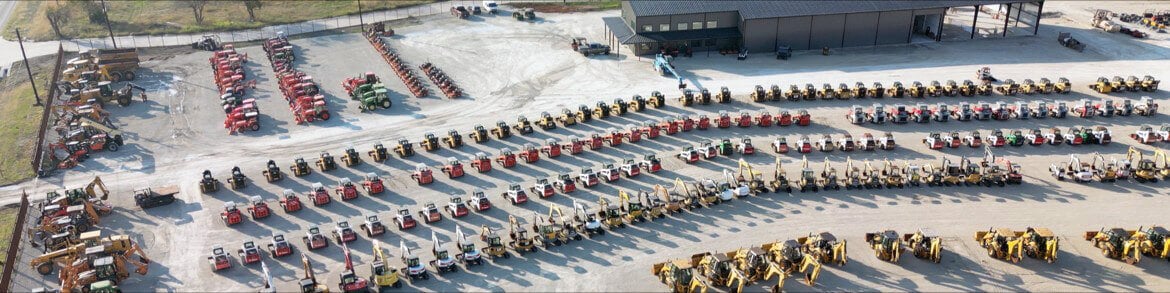
Dealers like Himes Equipment follow transparency-first practices such as dealer-owned inventory, lien-free titles, and detailed video walkarounds so buyers know exactly what they are getting. Whether you purchase from a dealer or a private seller, using these verification steps is the most reliable way to protect your investment.